A home remodeling project is one of the biggest investments most homeowners will ever make. Whether you are updating a single room or reworking several spaces at once, a clear plan is what separates a smooth renovation from a stressful one. This guide walks through the practical steps that help Connecticut homeowners prepare, budget, and manage a remodel with confidence.
Start With a Clear Goal
Before you look at materials or call a contractor, define what you actually want the project to accomplish. Are you trying to add living space, improve functionality, modernize an outdated room, or increase your home's resale value? A specific goal keeps every later decision — layout, materials, budget — pointed in the right direction.
Write your goal down in one sentence. If you cannot, your scope is probably too broad. Narrow it before moving forward.
Set a Realistic Budget
Your budget should reflect both the cost of materials and the cost of skilled labor. Many homeowners underestimate labor, which is where most of a remodel's value comes from. A licensed contractor's craftsmanship is what makes finishes last.
- •Set a base budget for the work you know you want.
- •Add a 10–20% contingency for surprises found behind walls or under floors.
- •Separate 'must-have' items from 'nice-to-have' upgrades so you can trim if needed.
- •Get written estimates from at least one licensed, insured contractor before committing.
Understand the Order of Work
Remodeling follows a logical sequence. Doing things out of order — for example painting before drywall repairs are finished — wastes money and time. A typical interior project moves through these phases:
- •Demolition and removal of old materials
- •Framing and structural changes
- •Rough plumbing, electrical, and HVAC
- •Insulation and drywall
- •Painting and finish carpentry
- •Flooring, trim, and fixture installation
- •Final walkthrough and cleanup
When you understand this sequence, you can plan around it — knowing when your home will be dusty, when water or power may be off, and when the space becomes usable again.
Choose the Right Materials Early
Material selection is one of the most common causes of delays. Special-order tile, custom cabinetry, and certain flooring products can take weeks to arrive. Lock in your selections before construction starts so the crew is never waiting on a delivery.
If you are remodeling a bathroom, for example, choosing waterproof flooring and tile early keeps the project moving. Our bathroom remodeling service handles material selection guidance alongside the build.
Plan for Living Through the Remodel
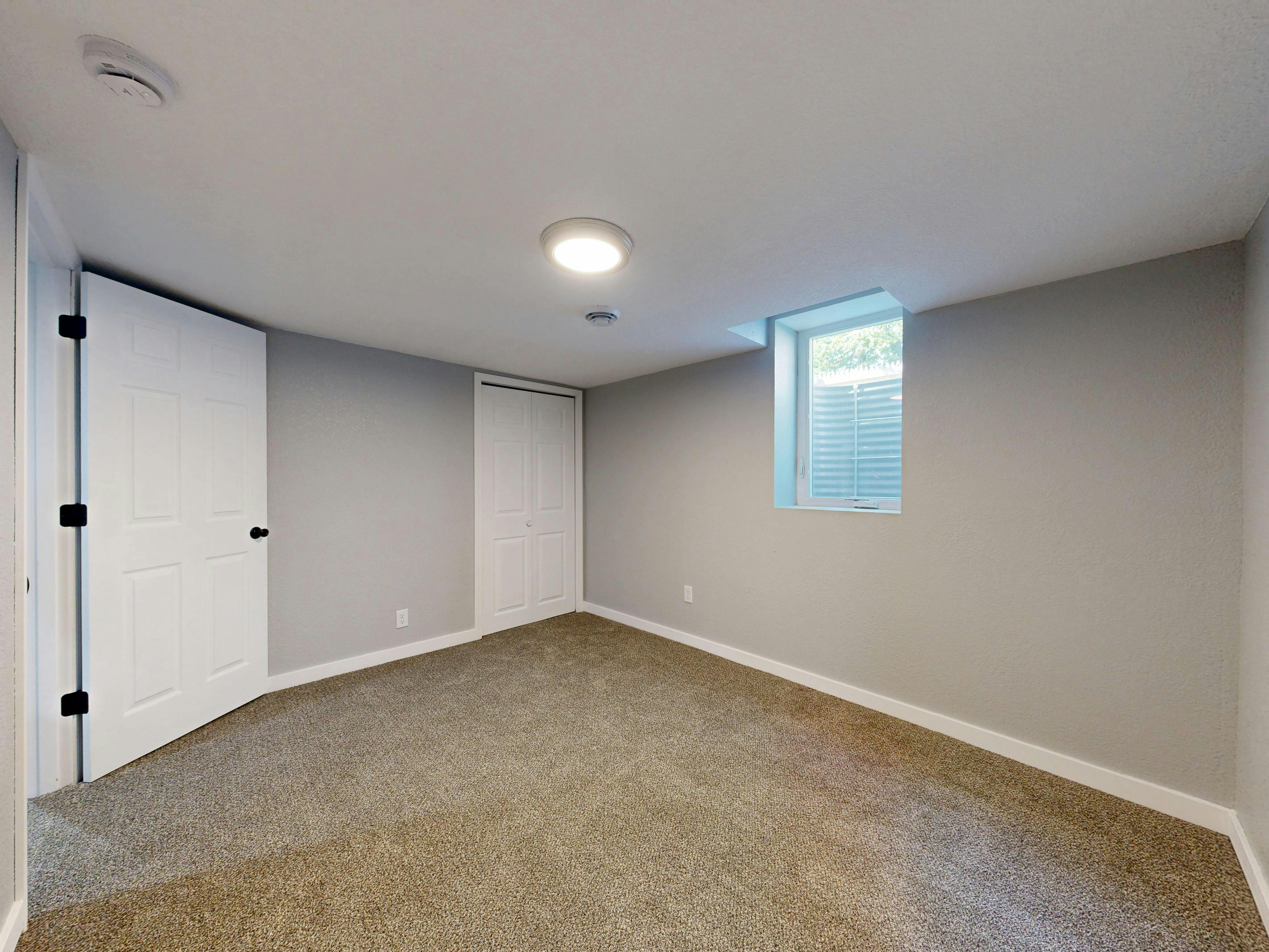
If the work is in a space you use daily, decide in advance how you will manage without it. A bathroom remodel may mean setting up a temporary wash station. A basement finishing project is usually less disruptive since the space is often unused beforehand.
Talk with your contractor about daily start times, dust containment, and which areas of the home will be off-limits. Clear expectations prevent frustration for everyone in the household.
Hire a Licensed, Insured Contractor
The single biggest factor in a successful remodel is the contractor you choose. A licensed and insured professional protects you from liability, follows building codes, and stands behind the work. PC-Vertex Construction and Remodeling LLC is a licensed and insured Connecticut contractor that backs every project with a labor warranty.
If you are still comparing options, read our guide on how to choose the right contractor for your home renovation — it covers the questions worth asking before you sign anything.
Ready to Start Your Remodel?
Good planning turns a remodeling project from an overwhelming idea into a manageable, exciting improvement to your home. If you are ready to take the next step, PC-Vertex offers free, no-obligation estimates across Danbury and the surrounding towns.